
Finding Casa Grande Residents
Plenty of record offices sit right in Casa Grande. A recorder branch and a vital-records counter both operate inside the city. That spares residents the long drive to Florence. Start any name or address question with the Pinal County parcel search. It takes an owner name, a street address, or a parcel number. It also splits the property's physical address from the owner's tax-mailing address. That split is a telltale sign of an absentee owner. From there, the recorder's online deed index tracks recorded instruments. The oldest ones live only on microfilm. Divorce, probate, and marriage files stay with the clerk of the superior court. Worked in that order, those offices form the backbone of the Casa Grande residents directory. They serve you whether you want past residents or need to find who lives on a street in Casa Grande.
- Write down the known name, address, date range, and the exact question.
- Search the Assessor by owner or situs address and save the parcel number and legal description.
- Use the Recorder index for the deed, then compare its parties and dates with the parcel record.
- Check court, business, vital, voter, or historical sources only when they fit the question and access rules.
- Ask the named clerk or custodian for the official file when the web trail stops.
Note: A portal result that comes up empty may reflect spelling, a coverage cutoff, protected data, or the wrong custodian rather than a record that never existed.
Casa Grande Records Office Network
Casa Grande sits in Pinal County, but Florence holds the county seat. That split shapes how a residents directory works here. City Hall keeps municipal actions and local department files. County branches inside Casa Grande cover parcel, recorder, and vital-record business, while the deepest archive may still mean a drive to Florence. State systems handle court, voter, license, and historical vital searches. Call ahead whenever an older book or a certified copy is the goal.
Pinal County Recorder
820 E Cottonwood Lane, Suite A-2
Casa Grande, AZ
520-866-7483
Pinal Recorder services
Pinal Vital Records
1729 N Trekell Road, Suite 120
Casa Grande, AZ
866-960-0633
The City Clerk office profile lists the municipal contact and the records role behind most city-level Casa Grande requests.
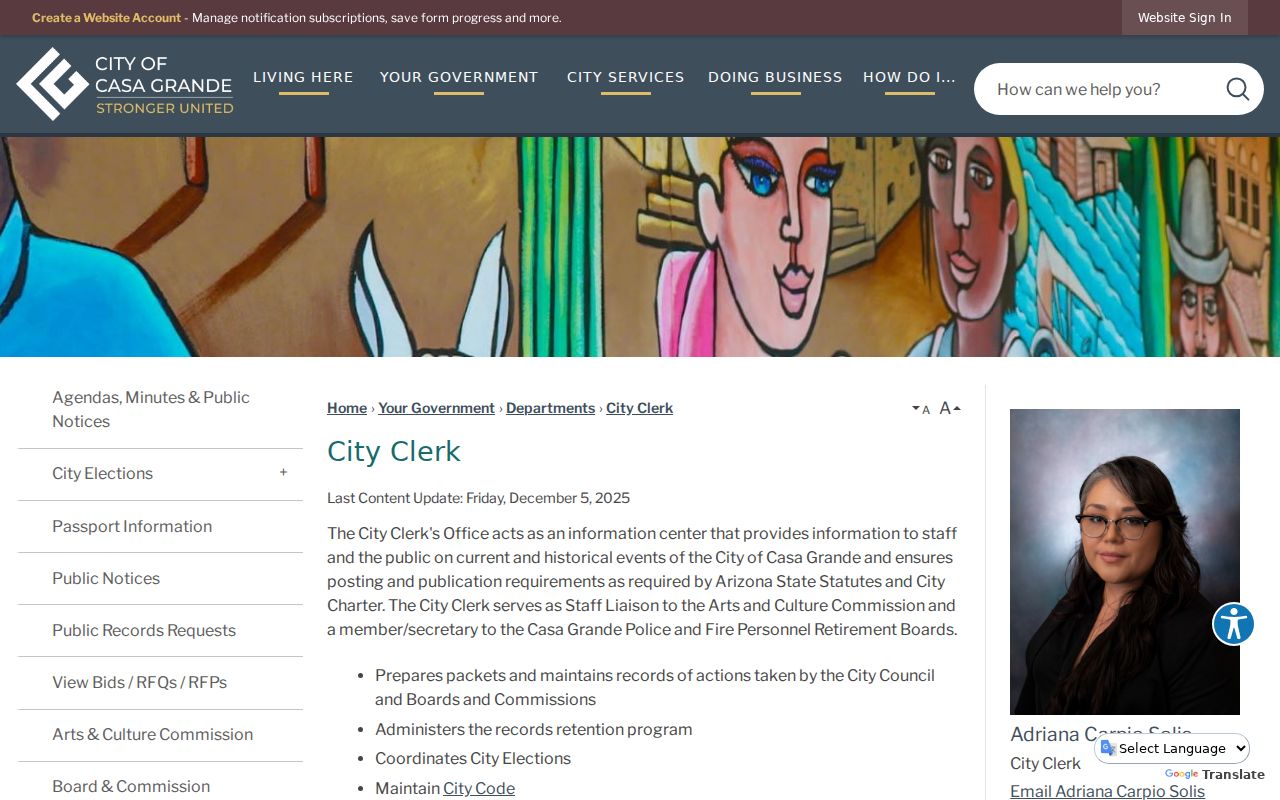
The official city page helps visitors separate municipal records from the county deeds, parcel rolls, court files, and certificates kept by other custodians.
Casa Grande Parcel Search Fields
For a Casa Grande address, the Pinal County Parcel Search is often the fastest official stop. Enter a street location or an owner name and it returns an assessor parcel number, called an APN, plus the legal description the Recorder relies on. The form breaks a street into parts. Never paste a whole address into one field. Search a surname first for titled property. When a parcel sits in a trust or company, test the entity forms too.
| Search field | Entry type | Best use | Format note |
|---|---|---|---|
| Owners Name | Text | Named owner | Surname first |
| Street Number, Name, Type | Split fields | Physical parcel | Direction is separate |
| Book / Map / Parcel | APN parts | Known parcel key | Suffix has its own choice |
| Subdivision Name | Text | Platted area | Useful when street text fails |
| Section / Township / Range | Dropdowns | Rural land | Public-land description |
| Cabinet / Slide / Lot | Text fields | Known plat | Use the recorded reference |
A result can list the primary owner, a second name, the property location, the tax-bill mailing address, parcel size, description, class, and zoning or permit references. Save the APN and legal text before switching portals. The full address-by-address method lives in the Casa Grande street directory.
Casa Grande Mailing Address Clues
Pinal property records draw one distinction worth learning. The property address is the situs, the physical location of the parcel. The tax-bill mailing address is where the county sends correspondence. A mailing city or ZIP that differs from the situs can lead you to the titled owner. It never proves where that person actually lives. An assessor class may mark a primary or non-primary use. Yet it names nobody in the household.
- Parcel
- A mapped unit of land with its own assessor number.
- Roll
- An official list kept for assessment, tax, voter, or other public work.
- Index
- A searchable list that points to a record; it may not include the official file.
- Criss-cross directory
- A printed directory arranged by street or telephone number instead of only by surname.
The Treasurer runs a second owner and mailing search. It covers city, state, ZIP, tax year, and CSV export, refreshed nightly. Use it to date tax activity or spot correspondence clues. Then return to the Assessor and Recorder for parcel location and title.
Note: Owner, voter, and occupant are distinct identities. A Casa Grande directory match needs independent support before tying a person to a home.
Casa Grande Deed Index Trail
Acclaim serves as the Pinal County recorded-document index for Casa Grande deeds, easements, liens, plats, maps, and notices. Online coverage begins May 23, 1980. When the owner and a rough date are known, search by party name. A fee number works as the best direct key. Doc Legal ties a parcel description to recorded instruments, while docket and page cover book-style references. Run spelling variants, and trace a seller backward as the buyer in an earlier deed.
The online PDFs carry an unofficial-copy watermark. That suits ordinary research fine. Anything needing authentication calls for a certified copy instead. Plain copies run $1 per page, with $3 more per document to certify. For records predating the web cutoff, ask the Recorder about manual books and microfilm. Requests go by email, by mail to P.O. Box 848 in Florence, or in person at the Casa Grande or Florence counter.
Casa Grande Court Lookup Layers
Arizona Public Access gives free name and case-number searches. Coverage spans Casa Grande City Court, Casa Grande Justice Court, and Pinal Superior Court. Coverage is wide: 177 of 184 Arizona courts feed it. Updates arrive weekly. A result can carry the party role and case number. It may also list the type, filing date, judge, docket events, rulings, and disposition. Treat it as an unofficial lead, not the record itself. Sealed matters and several protected case types never appear online. The Arizona Public Access search screen opens with a verification step. Only then do its party and case modes appear.
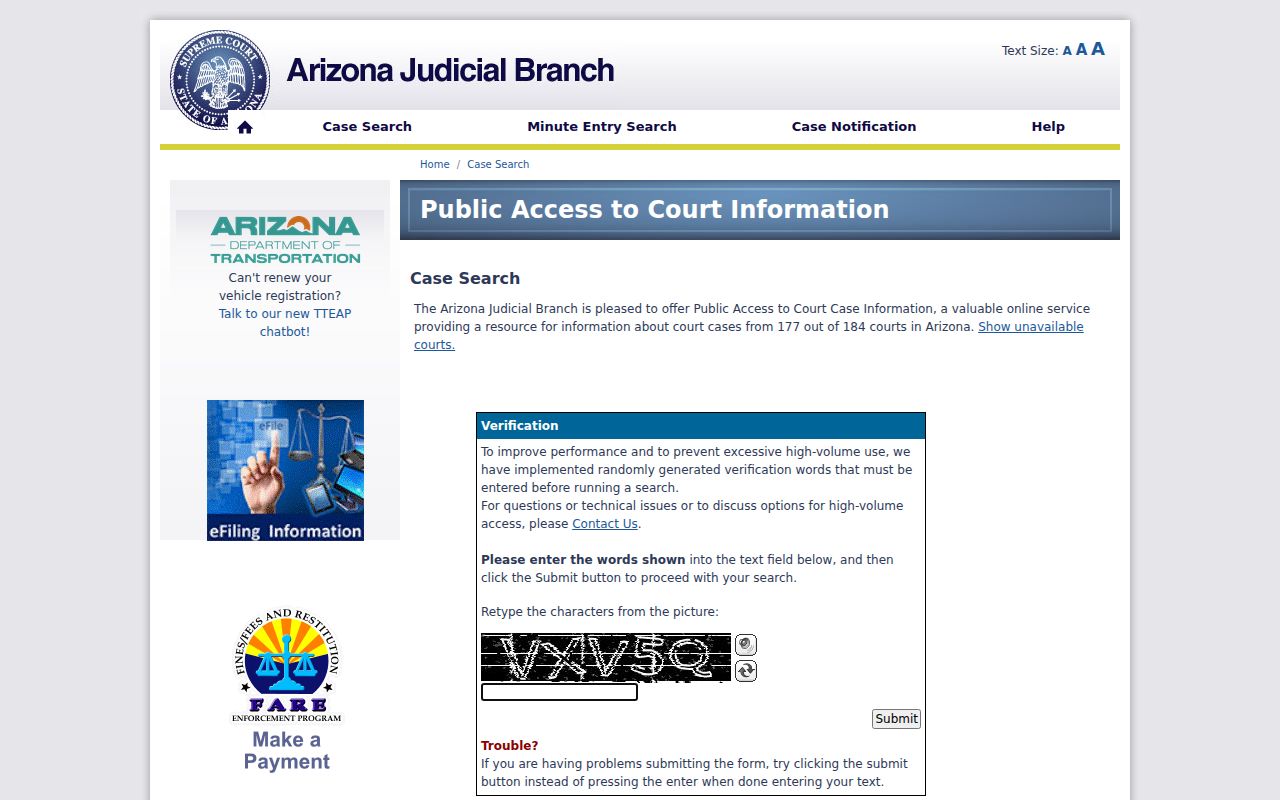
Every hit in that index points back to a filing clerk. That clerk holds the official file. City Court keeps its own municipal records. The Pinal Superior Court Clerk controls civil, criminal, family, probate, and marriage-license records. Paid eAccess adds eligible Superior Court civil and criminal images filed from July 1, 2010. It cannot replace the local clerk and skips many cases. A directory search always ends at the office that filed the paper.
| Access route | What it supplies | Main limit |
|---|---|---|
| Public Access | Free case and docket index | Incomplete and unofficial |
| eAccess | Paid eligible document images | Account, coverage, and access limits |
| Court clerk | Official public case file or copy | Sealed and confidential material stays closed |
Note: A free court index can point a Casa Grande lookup, but the filing clerk holds the official case record.
Casa Grande Voter Record Boundaries
The Arizona Voter Information Portal is an authenticated self-service tool. It is not an open Casa Grande residents directory. Each voter picks Pinal County. The voter then enters a last name, date of birth, identification method, and identification number. A separate residence-address mode pulls polling information. A match displays only the voter's own status, districts, notices, mail-ballot status, and participation history. Ballot choices stay private. The Arizona voter dashboard shows the identifiers the official lookup demands.
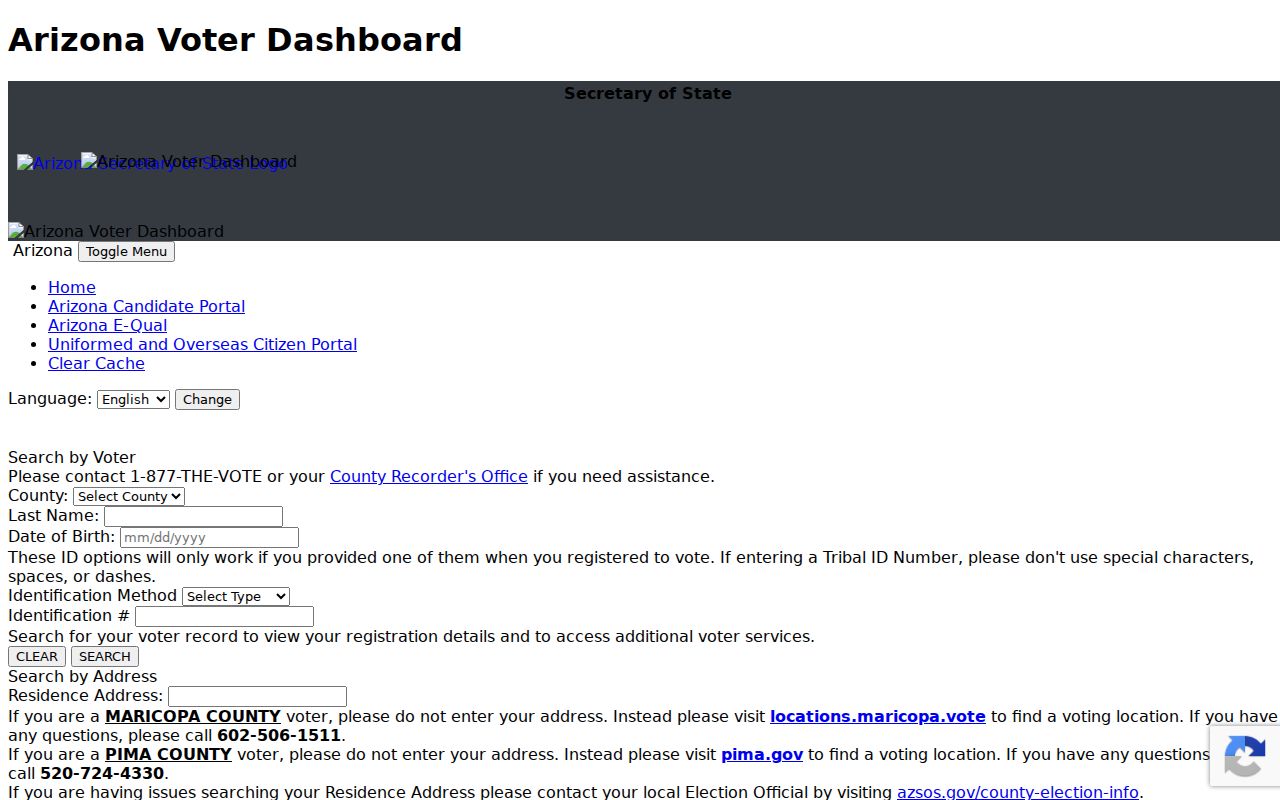
That design blocks browsing every voter on a block. A.R.S. §16-168 sets the rules for separate voter-file requests. It covers allowed purposes, fees, and use limits. Protected voters stay shielded under §16-153 and the Address Confidentiality Program. When no match appears, the cause may be an exact-ID mismatch, inactive status, nonregistration, or protection. For older research, the historical Pinal great registers from 1876 through 1920 offer a rich archival route.
Current Casa Grande Residents Directory
A current Casa Grande residents directory is really several official lists with different scopes. The strongest source is always the one built for the fact in question. Property rolls identify legal owners. Recorded documents name the parties to filed instruments. Court indexes list named case roles. Staff directories identify city workers in official posts, while voter self-service confirms only the authenticated voter's own details.
| Resident source | People or link shown | Keeper | Access route |
|---|---|---|---|
| Parcel and tax rolls | Owner, situs, separate mailing lead | Pinal Assessor and Treasurer | Free online; branch or focused request |
| Recorded documents | Deed, lien, plat, and notice parties | Pinal Recorder | Online from 1980; office, mail, email, microfilm |
| Voter information | Own status and districts | Recorder and state portal | Authenticated self-service; restricted file process |
| Court index | Named party and case role | Arizona courts and filing clerk | Free index; paid images; clerk file |
| City staff list | Public role, email, and phone | Casa Grande | Free searchable directory |
The Casa Grande staff directory is a narrow public-role list, not a private household roster.

Each entry carries a name, department, title, email, and telephone number. That makes finding an official contact simple. Those entries should never be merged with private resident data. Commercial people-finding products do mix public and marketing material, but stale addresses and blended names leave them far weaker. A record straight from its custodian is stronger for any Casa Grande resident lookup. The custodian's version wins.
Note: Official Casa Grande rolls are narrow by design, so pick the roll created for the fact being checked.
Casa Grande Vital Records Paths
Recent Arizona birth and death certificates are closed records. Eligible applicants order them through Pinal County or the Arizona Department of Health Services. Casa Grande itself has a local counter on Trekell Road. Mail requests need the correct application, identification or notarization, relationship proof, payment, and a return envelope. The certified copy fee is $20. Marriage licenses and divorce decrees sit with the Pinal Superior Court Clerk. The health department does not hold them.
Older records open up on a fixed clock. Under A.R.S. §36-351(B), birth records move to public archives after 75 years. Death records follow after 50. The current genealogy search offers birth images for 1855 through 1945. It also offers death images for 1870 through 1970, free to view. Those images are not certified copies. Adoption files stay sealed for 100 years and require the official court or intermediary route.
For family history, pair a historical certificate image with a directory entry, newspaper item, or deed. A certificate proves one event. It cannot track a full Casa Grande household across time.
Casa Grande Clerk Request Fallback
When a named municipal record has no public search, the City Clerk helps. The Clerk is the local fallback for those cases. Casa Grande is replacing its request portal, so requests go by email for now. Name the existing record, the department, an address or person, and an approximate date. The city need not build a new compilation. Inspection is free. Reasonable copy fees may apply, and the city aims to respond within five working days. Broad or multi-department work can run longer. The Casa Grande public-record request notice gives the temporary submission method during the portal change.
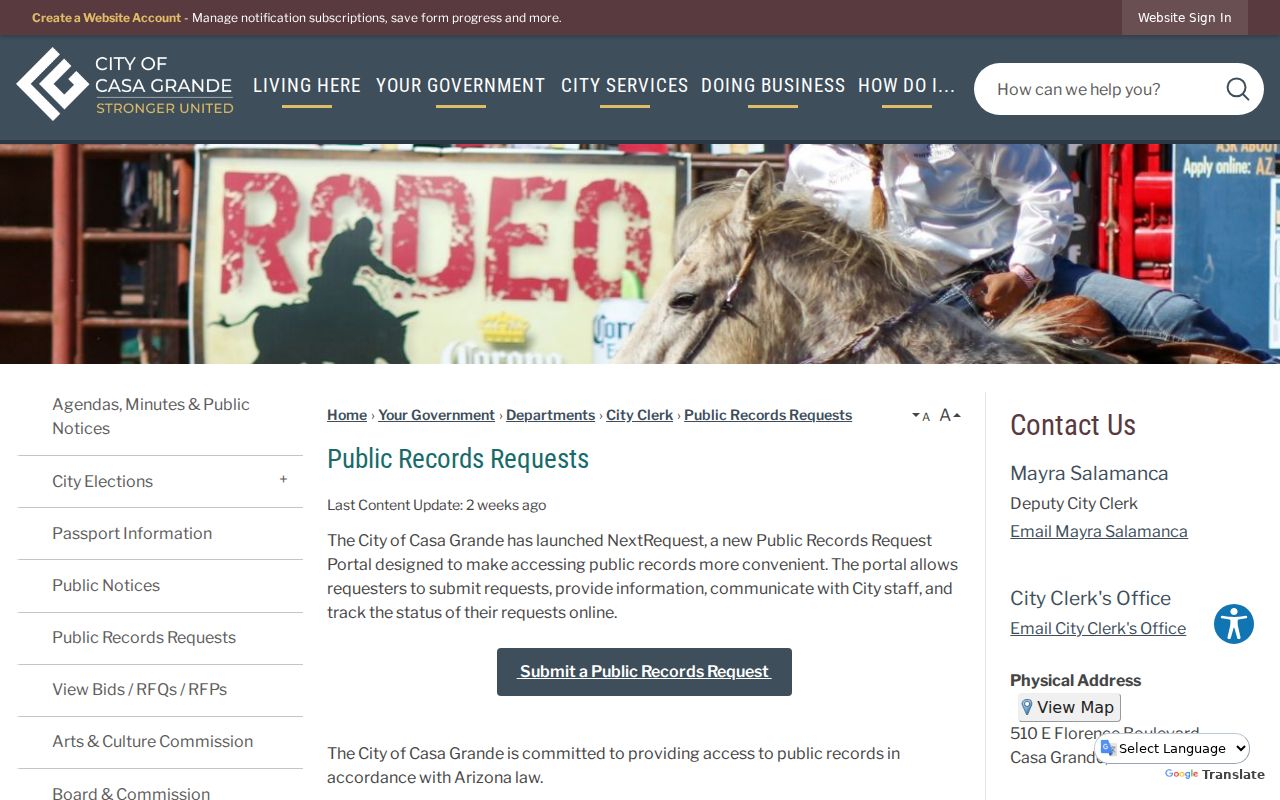
That notice helps most when WebPermits hits a dead end. The permit portal requires a known permit number and cannot browse by address. A focused request should state the exact address, APN, permit type, and rough date. It should also say whether the goal is a permit application, owner authorization, inspection result, or final certificate. Arizona Public Records Law, A.R.S. §§39-121 through 39-128, calls for prompt access. It sets no fixed statewide day count.
Note: State that a personal request is noncommercial when applicable. Arizona law treats a disclosed commercial purpose under a separate rule.
Casa Grande Custody and Safety Records
Custody lookups answer a narrow question. They are not a Casa Grande residents directory. They are not a resident lookup for the whole city. The Pinal County inmate form covers only current jail custody, and the roster refreshes hourly. Once someone is released, the entry drops away. A booking by itself proves nothing about guilt. State and federal locators stay within their own custody populations too. For filed charges and outcomes, the court docket is the record that matters.
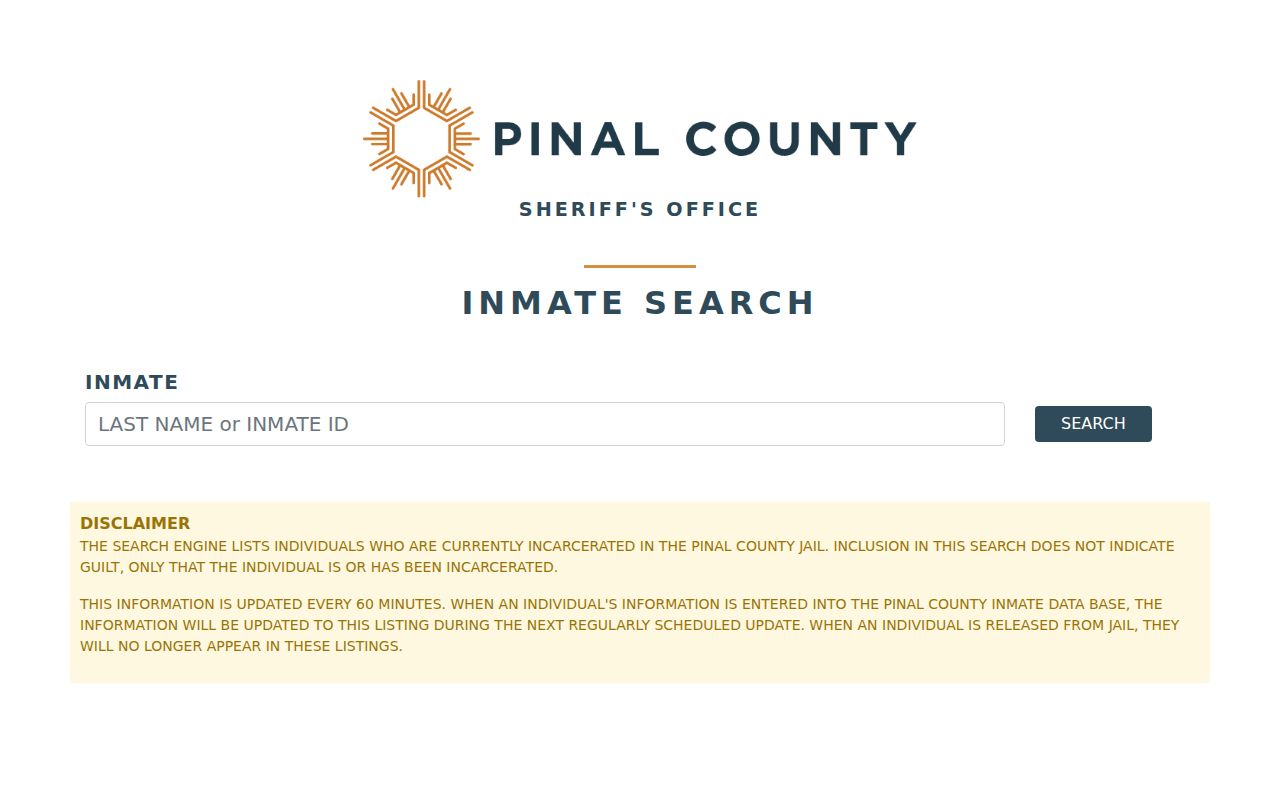
The official Pinal County form states its scope plainly. It is a current custody tool, not a past-residents roll or conviction index for Casa Grande.
Casa Grande Registry Use Limits
Arizona DPS runs a separate community-safety registry. Its official Arizona registry information page spells out the registry's purpose and its strict anti-harassment terms.
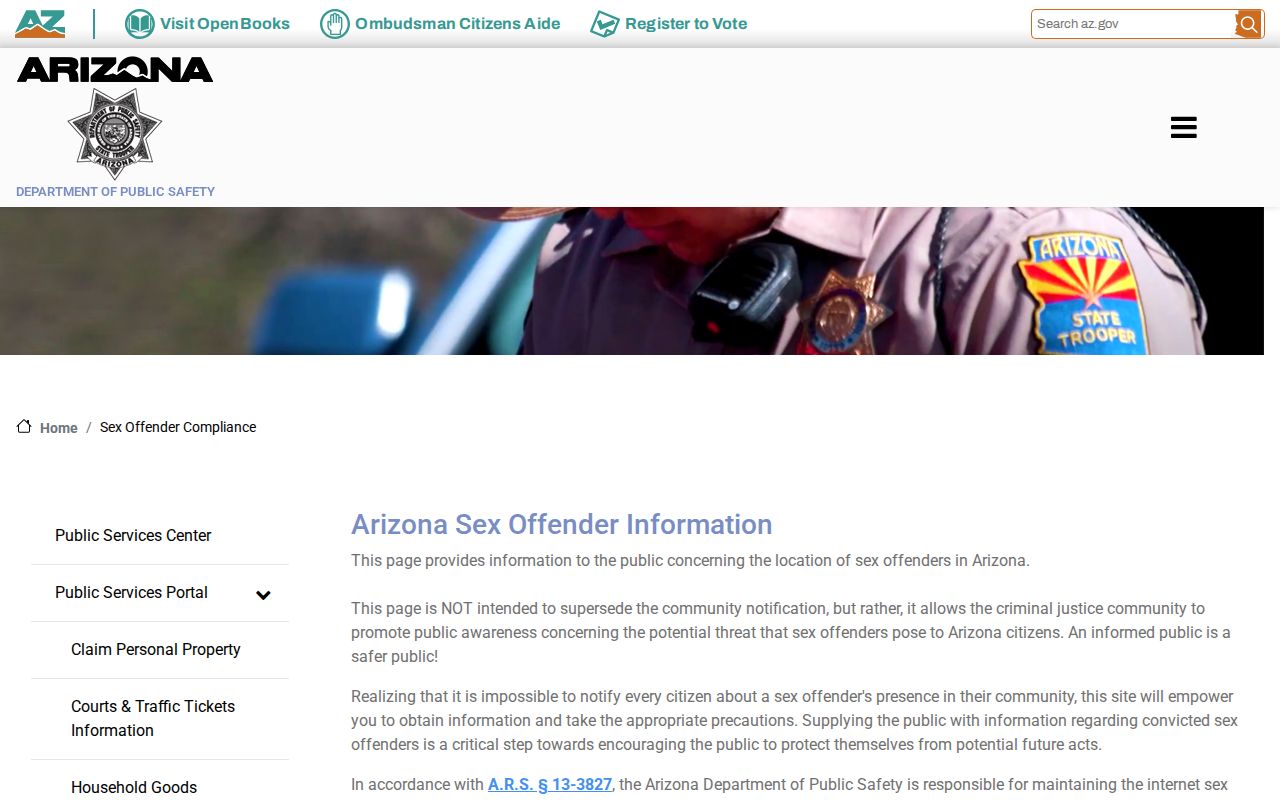
Registry data serves lawful safety aims only. Threats, intimidation, or harassment can be prosecuted. Protected details should never be republished as a private roster.
The registry is one narrow safety source. It is not a full Casa Grande directory, and an entry should never be stretched past the identity, location, and status fields the official record displays.
Note: Registry terms travel with the data, and Casa Grande users must keep the official anti-harassment limit in view.
Casa Grande Name Match Checks
In Casa Grande, a name-only hit is weak evidence. The city's 2025 estimate put 69,753 residents within its limits. That is up 29.9 percent from the 2020 base. Growth this fast multiplies duplicate and near-match names. Many residents speak a language other than English at home. Try accents, hyphens, initials, two surnames, maternal and paternal order, and older spellings. Then add at least two anchors before calling the records one person.
- Compare a middle initial or full second surname.
- Match the city or ZIP shown at the same date.
- Link an APN, deed fee number, or case number.
- Check a dated business role, credential, or directory occupation.
- Obtain the official file when the index warns that it is incomplete.
A name search can surface a last-known address through unclaimed property. The Arizona unclaimed-property portal lets anyone run that search for free and file a claim directly with the state.
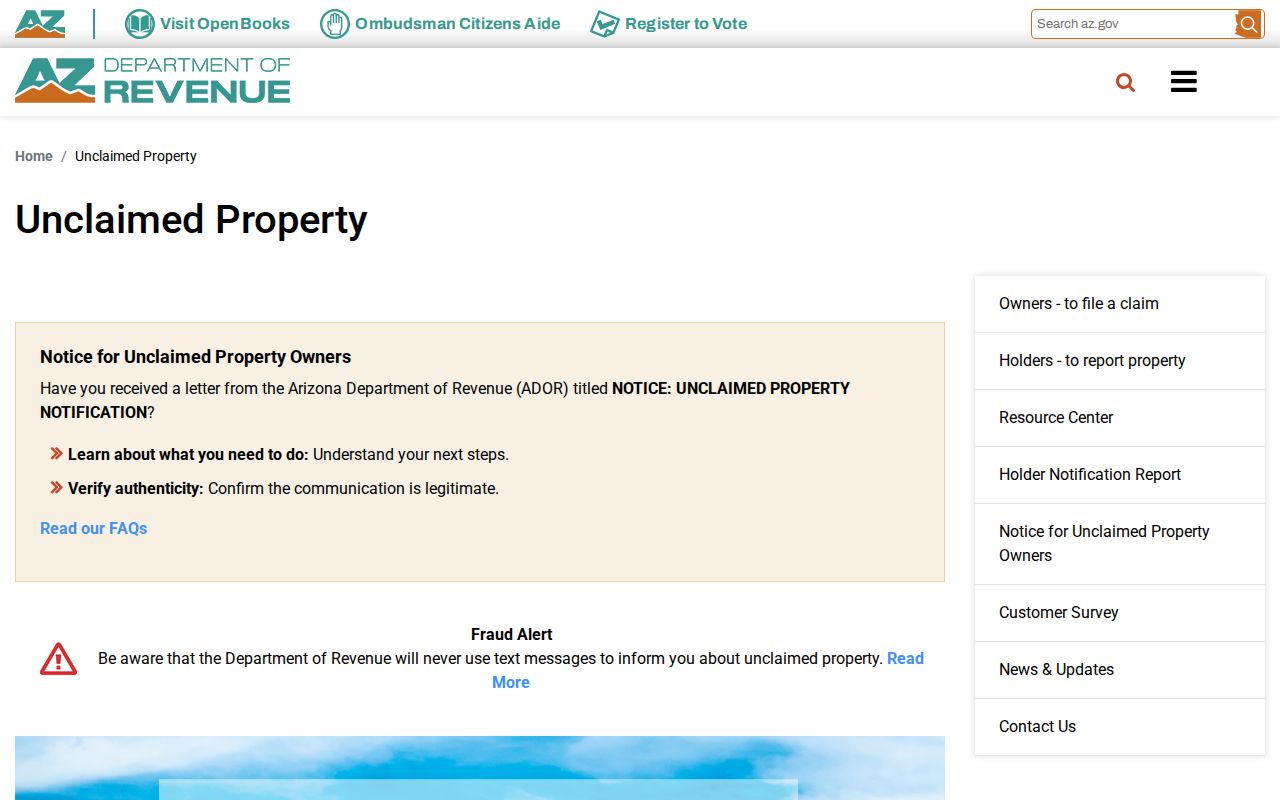
A match there is only a lead. The claimant must still prove a tie to the reported address. ADOR accepts several kinds of proof. These include old identification, school or court records, tax papers, account statements, or postmarked mail. That bar keeps a name hit from doubling as proof of identity. The scale is real, though. The agency reported returning a record $88 million in fiscal year 2024.
Historical Casa Grande Residents Directory
Casa Grande directory coverage runs in fits and starts. The verified shelf holds 19 dated volumes or volume-years. They span 1960 through 2000 rather than an unbroken annual run. The State Research Library in Phoenix keeps the listed editions. The Arizona Memory Project offers a free 1960 Mullin-Kille directory covering Casa Grande, Coolidge, and Florence. Certain Polk volumes reach beyond the city to Eloy and a Pinal County farmers list. Check the publisher and format for each year before relying on it.
A 1960 entry may list a spouse in parentheses. It may also list an occupation or employer, a telephone number, a post-office box, and an h marking the home address. Street indexes flip the search around, taking you from address to listed person. Treat OCR text as a lead only. Set it beside the page image. Then fill gaps with the local newspaper archive, deeds, the 1950 census, probate, and obituaries.
Local help exists offline. The Casa Grande Main Library's Arizona Room assists researchers. It posts no full shelf list, though. The Museum of Casa Grande holds family and business papers. It also holds oral histories dating from 1964 and more than 30,000 photographs by appointment. The Casa Grande city directory page lays out the complete shelf and how each entry works.
Casa Grande Records Through Time
The Casa Grande residents directory evolved alongside the town itself. Pinal County was formed in 1875. Surviving territorial poll, tax, license, property, and school lists reach back to that era. Digitized great registers pick up in 1876. Casa Grande started as the railroad stop Terminus in 1879. It took its current name in 1880. A townsite was laid out beside the tracks in 1892. An early resident may then surface in land, farm, railroad, tax, or voting records. Those records can predate any city directory by years.
Printed resident directories start on the verified shelf in 1960. The Recorder's modern web index reaches back to 1980. Older deeds still live in office books and microfilm. Court access now splits across a free statewide index, a paid document service, and the official filing clerk. The city now handles records requests by email. That shift shows how an access channel changes even as the record stays with its custodian.
Treat the trail as a timeline rather than one universal database. Territorial lists set the early county scene. Maps and newspapers place a person in the rail and farm town. Printed directories tie names to homes and work. Parcel, deed, court, and agency systems add the modern legal and civic facts. Every layer carries its own date, purpose, and limit. A sound Casa Grande record search weighs all three.
Note: Preserve each old address exactly as written, since a rural route, former ZIP, or land description can unlock the next record.